Design Concepts of Environmentally Friendly Crushing Plants in Peru
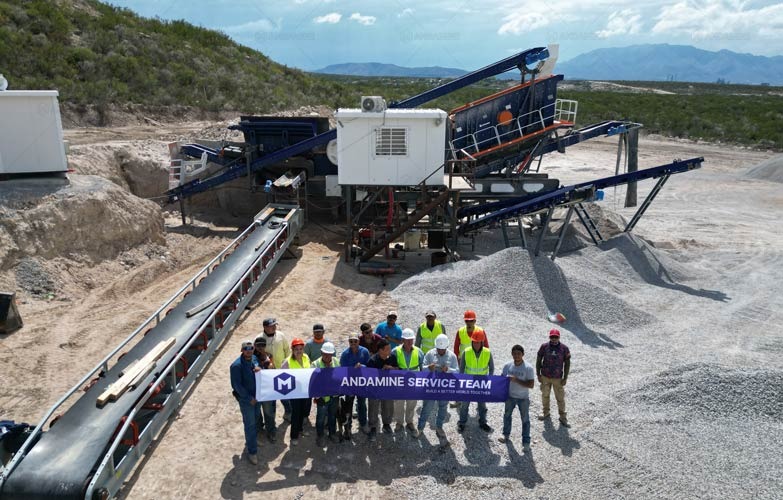
Environmental compliance and sustainability are no longer optional in Peru’s mining and aggregate industries. As infrastructure development accelerates, regulators, communities, and investors increasingly demand crushing plants that minimize environmental impact while maintaining strong economic performance. This shift is reshaping how new projects are designed, built, and operated. From dust control systems to energy-efficient layouts, environmentally friendly crushing plants represent both a regulatory necessity and a competitive advantage. Early in the planning phase, decision-makers often compare options such as stone crusher price in Peru and regional benchmarks like stone crusher plant Bolivia to evaluate cost-performance balance and sustainability standards.
Why Environmental Design Matters in Peru’s Aggregate Industry
Regulatory Framework and Community Expectations
Peru has strengthened environmental oversight in mining and quarrying operations, especially in areas near urban centers, water resources, and protected ecosystems. Environmental impact assessments (EIAs), emission limits, and community consultation requirements now directly influence project approval timelines and operating conditions.
Crushing plants that integrate environmentally friendly design concepts from the outset reduce compliance risk and improve stakeholder acceptance. This approach often results in faster permitting, smoother community relations, and more predictable project execution.
Economic Pressure for Sustainable Operations
Sustainability is no longer viewed solely as a cost center. Energy-efficient equipment, water recycling systems, and optimized plant layouts reduce long-term operating expenses. As energy and water costs continue to rise, environmentally friendly crushing plants offer measurable financial benefits, improving lifecycle cost performance and investment returns.
When evaluating stone crusher price in Peru(chancadora de piedra precios Perú), operators increasingly consider not only purchase cost but also operating efficiency, environmental performance, and compliance-related expenses.
Core Design Principles of Environmentally Friendly Crushing Plants
Integrated Dust Suppression and Air Quality Control
Dust is one of the most visible environmental challenges in crushing operations. Advanced design concepts prioritize dust suppression at every stage of material handling, including primary crushing, secondary processing, screening, and transfer points.
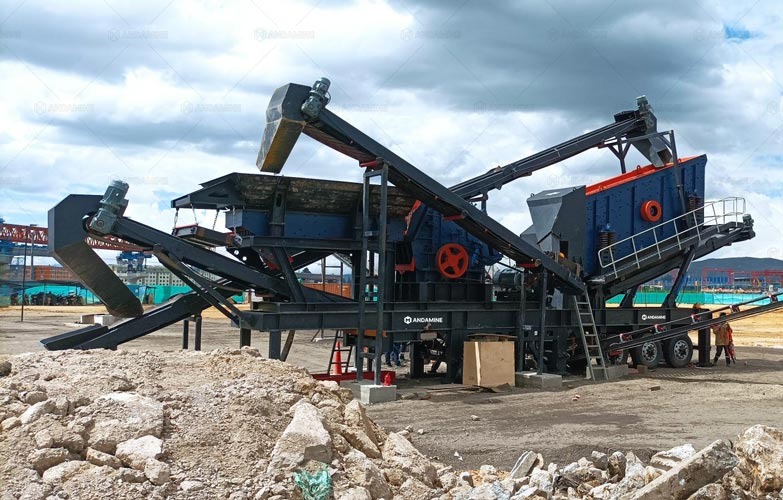
Effective solutions include enclosed conveyors, sealed transfer chutes, water misting systems, and centralized dust collection units. These measures significantly reduce particulate emissions, improving air quality for workers and nearby communities while supporting regulatory compliance.
Noise Reduction Through Structural and Equipment Design
Noise pollution can lead to community opposition and regulatory restrictions. Environmentally friendly crushing plants incorporate noise control strategies such as acoustic enclosures, vibration isolation mounts, and low-noise equipment selection.
Strategic plant layout also plays a critical role. By positioning high-noise equipment away from residential zones and using natural terrain or constructed barriers as sound buffers, operators can minimize noise impact without sacrificing operational efficiency.
Water Management and Recycling Systems
Water is essential for dust suppression, washing, and material classification. In water-scarce regions of Peru, responsible water use is a critical design consideration.
Modern crushing plants integrate closed-loop water recycling systems, sedimentation tanks, and filtration units to minimize freshwater intake and reduce wastewater discharge. These systems not only protect local water resources but also lower operating costs and improve environmental performance metrics.
Energy-Efficient Equipment Selection and Plant Layout
High-Efficiency Motors and Drives
Energy consumption represents a significant portion of crushing plant operating costs. Selecting high-efficiency motors, variable frequency drives (VFDs), and optimized transmission systems reduces power usage and improves equipment longevity.
When comparing stone crusher price in Peru, energy efficiency should be evaluated alongside initial cost. Equipment with higher upfront prices often delivers superior long-term value through reduced electricity consumption and maintenance requirements.
Optimized Material Flow and Reduced Re-Handling
An environmentally friendly crushing plant design emphasizes smooth material flow with minimal re-handling. Poorly designed layouts increase energy consumption, dust generation, and wear on equipment.
By aligning crushers, screens, and conveyors in a logical, gravity-assisted sequence, designers reduce the need for additional lifting and transport, improving energy efficiency and operational reliability.
Modular and Scalable Plant Architecture
Modular plant design allows operators to expand or reconfigure capacity without major reconstruction. This flexibility supports phased development, reduces waste, and extends asset lifespan.
For operators evaluating stone crusher plant Bolivia(planta chancadora de piedra Bolivia) configurations as regional benchmarks, modularity has proven effective in balancing environmental performance with production scalability.
Sustainable Sourcing and Material Utilization Strategies
Maximizing Resource Utilization
Environmentally friendly crushing plants aim to maximize the usable output from each ton of raw material. Advanced crushing and screening technologies improve particle shape and grading, increasing the proportion of marketable aggregates and reducing waste.
This approach aligns with circular economy principles, transforming low-value by-products into commercially viable materials and reducing the environmental footprint of quarrying operations.
Recycling Construction and Demolition Waste
In urban and infrastructure projects, crushing plants increasingly incorporate recycling modules for construction and demolition (C&D) waste. Processing concrete, asphalt, and masonry materials reduces landfill dependency and provides sustainable aggregate alternatives.
Designing plants with dedicated recycling lines supports environmental goals while opening new revenue streams, particularly in regions experiencing rapid urban redevelopment.
Digitalization and Environmental Performance Monitoring
Real-Time Environmental Data Tracking
Modern crushing plants integrate sensors and digital monitoring systems to track dust levels, noise emissions, water usage, and energy consumption in real time. These systems enable operators to detect deviations, implement corrective actions, and maintain continuous compliance.
Data-driven environmental management also supports reporting requirements and strengthens corporate sustainability credentials.
Predictive Maintenance and Equipment Health Management
Predictive maintenance systems reduce unplanned downtime and extend equipment life. By monitoring vibration, temperature, and performance indicators, operators can schedule maintenance proactively, minimizing environmental risks associated with equipment failure, such as oil leaks or excessive emissions.
Regional Benchmarking and Cost-Benefit Analysis
Learning From Regional Best Practices
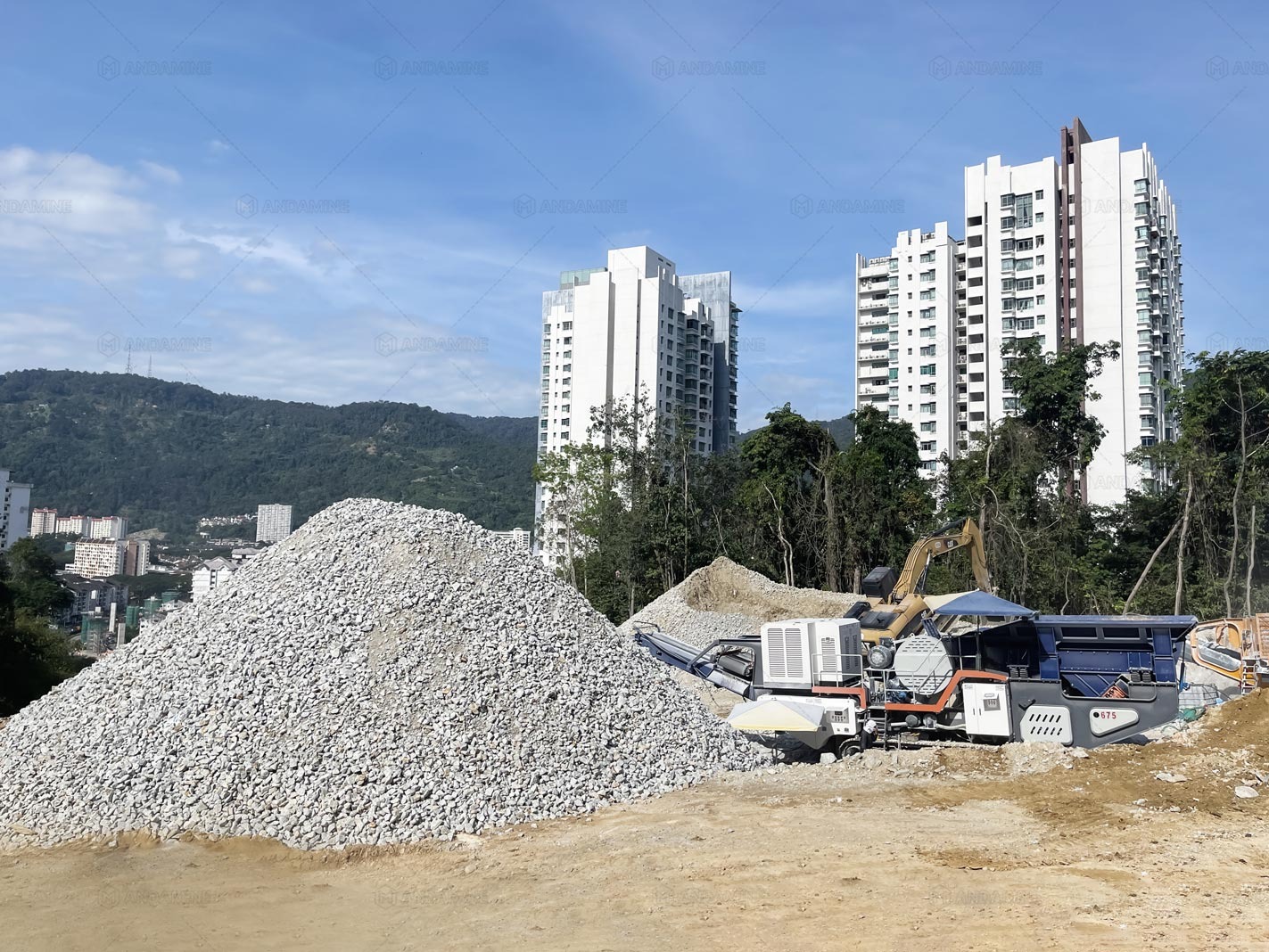
Peru’s aggregate industry can benefit from regional benchmarking, including reviewing environmentally advanced installations such as stone crusher plant Bolivia operations that have successfully integrated sustainability into plant design.
These regional references provide practical insights into equipment selection, layout optimization, and environmental control strategies that are applicable across similar geological and regulatory contexts.
Balancing Capital Investment and Lifecycle Cost
While environmentally friendly crushing plants may require higher initial investment, lifecycle cost analysis often reveals superior economic performance over time. Reduced energy consumption, lower water usage, minimized compliance penalties, and improved asset longevity contribute to a more attractive total cost of ownership.
Decision-makers evaluating stone crusher price in Peru should adopt a lifecycle perspective rather than focusing solely on upfront expenditure.
Building a Competitive and Sustainable Future
Designing environmentally friendly crushing plants in Peru is no longer a forward-looking concept—it is an operational imperative. By integrating advanced dust suppression, noise control, water management, energy efficiency, and digital monitoring systems, operators can achieve regulatory compliance while improving operational performance and profitability.
For investors, contractors, and quarry operators, the strategic adoption of sustainable design principles strengthens market competitiveness, enhances community trust, and future-proofs assets against evolving regulatory and environmental standards. Whether benchmarking against stone crusher plant Bolivia solutions or evaluating stone crusher price in Peru, the most successful projects are those that align environmental responsibility with long-term business value.
Lorem ipsum dolor sit amet, consectetur adipiscing elit, sed do eiusmod tempor incididunt ut labore et dolore magna aliqua.
Lorem ipsum dolor sit amet, consectetur adipiscing elit, sed do eiusmod tempor incididunt ut labore et dolore magna aliqua.
Post a comment