Flexible Deployment Advantages of Drum Mix Asphalt Plants in Latin American Municipal Projects
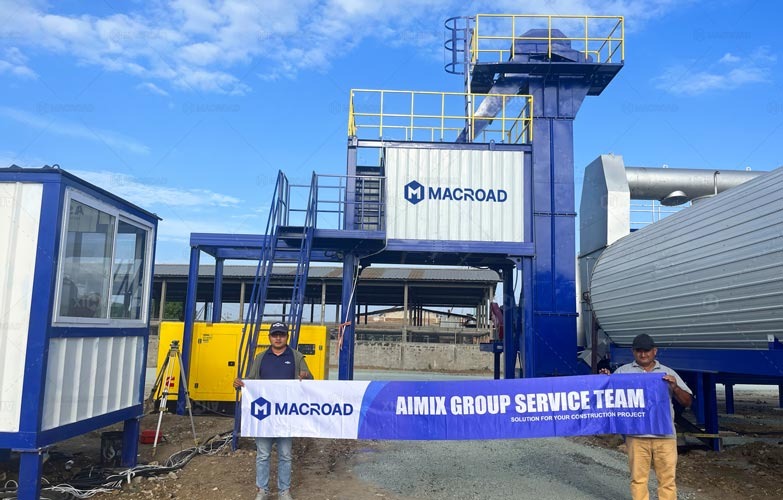
Municipal infrastructure projects across Latin America are becoming more complex, time-sensitive, and budget-conscious. From urban road rehabilitation and neighborhood paving to drainage improvements and utility restoration, local governments require asphalt production systems that are both reliable and adaptable. In this environment, the drum mix asphalt plant(planta asfaltica continua) has gained strong traction as a flexible, cost-efficient solution. Compared with a conventional setup, contractors evaluating an asphalt plant for sale increasingly favor drum mixing systems for their rapid deployment, consistent output, and suitability for decentralized municipal projects — including installations such as the asphalt plant in Ecuador.
Why Municipal Projects Demand Flexible Asphalt Solutions
Unlike large highway projects with long production cycles, municipal works often involve short paving windows, frequent site changes, and strict traffic management constraints. Projects may include road resurfacing, pothole repair programs, industrial park access roads, and urban drainage upgrades, all of which require timely asphalt supply under varying conditions.
A fixed asphalt plant, once installed, limits operational flexibility and can increase transportation costs when multiple work zones are spread across a city or region. A drum mix asphalt plant, by contrast, offers continuous production combined with fast relocation capability, making it well-suited for municipal project environments.
Rapid Deployment and Relocation Efficiency
Faster Installation Compared With Traditional Asphalt Plants
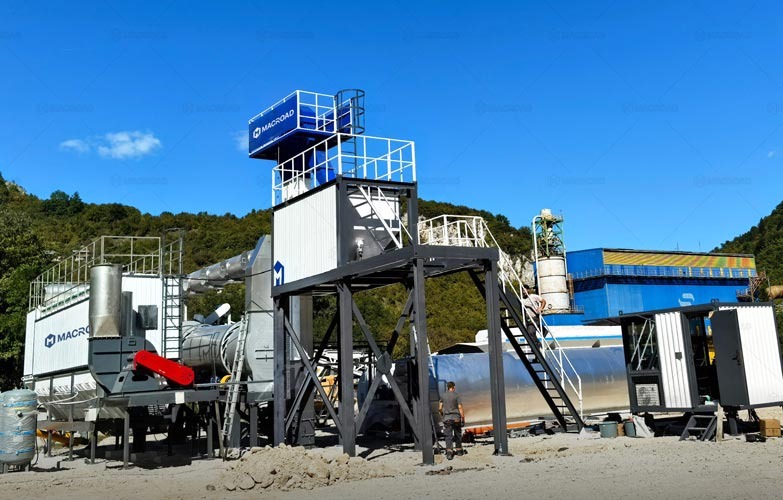
One of the most practical advantages of a drum mix asphalt plant is its modular design, which allows for quick assembly and commissioning. Unlike conventional asphalt plants that require extensive civil foundations and prolonged installation, drum mixing systems can be operational within a much shorter timeframe.
For municipalities managing urgent road repairs or seasonal maintenance programs, this rapid deployment capability minimizes project delays and accelerates service delivery to the public.
Easy Relocation Between Multiple Municipal Sites
Municipal projects often shift between neighborhoods, districts, or satellite towns. A drum mix asphalt plant can be relocated efficiently to remain close to the active work front, reducing asphalt transport distances and improving material temperature control.
In countries like Ecuador, where municipalities serve both urban centers and surrounding rural communities, an asphalt plant in Ecuador(planta de asfalto Ecuador) configured with drum mixing technology allows contractors to respond quickly to geographically dispersed project demands without sacrificing production efficiency.
Cost Control and Budget Optimization
Evaluating Asphalt Plant for Sale Options Based on Total Value
Municipal budgets are tightly controlled, making capital investment decisions highly sensitive. When assessing an asphalt plant for sale(venta de planta de asfalto), decision-makers must consider not only the purchase price but also long-term operating costs, maintenance requirements, and asset utilization.
A drum mix asphalt plant typically offers lower operating costs due to its simpler mechanical structure, continuous production process, and reduced maintenance complexity. These factors contribute to lower cost per ton of asphalt produced, improving overall project economics for municipal authorities.
Reduced Transportation and Fuel Costs
By positioning a drum mix asphalt plant closer to paving sites, municipalities and contractors significantly reduce asphalt hauling distances. This leads to lower fuel consumption, reduced vehicle wear, and improved environmental performance.
For urban maintenance programs, where work zones change frequently and transport routes are congested, this proximity advantage translates into measurable cost savings and improved project reliability.
Quality and Performance in Municipal Applications
Consistent Asphalt Output for Urban Road Networks
Urban roads experience frequent stop-and-go traffic, heavy axle loads, and high wear rates, requiring consistent asphalt quality to ensure pavement longevity. Modern drum mix asphalt plants are equipped with advanced control systems that regulate aggregate feed rates, binder dosage, and mixing temperature in real time.
This process stability ensures uniform asphalt production, reducing variability and supporting high-quality paving outcomes across different municipal zones.
Supporting Maintenance and Rehabilitation Programs
Municipal projects increasingly emphasize maintenance, resurfacing, and rehabilitation rather than only new construction. Drum mix asphalt plants are well-suited to these applications because of their fast start-up and shutdown capabilities, enabling efficient production during short work windows such as nighttime or weekend closures.
They can also accommodate specialized mix designs, including recycled asphalt pavement blends and warm mix asphalt, supporting sustainability goals and extending pavement service life.
Strategic Deployment Across Latin American Cities
Urban Centers and Metropolitan Areas
In densely populated cities, minimizing traffic disruption is a top priority. A drum mix asphalt plant supports rapid paving operations, allowing municipalities to complete work within limited timeframes and reopen roads quickly. This responsiveness improves public satisfaction and reduces economic disruption caused by construction delays.
Secondary Cities and Rural Municipalities
Beyond major urban centers, smaller municipalities and rural districts often lack access to nearby fixed asphalt plants. Deploying a drum mix asphalt plant locally reduces dependency on long-haul supply chains and enhances infrastructure development capacity.
In Ecuador and other Latin American countries with diverse geography, this decentralized approach enables municipalities to address infrastructure gaps more effectively and equitably.
Key Selection Criteria for Municipal Projects
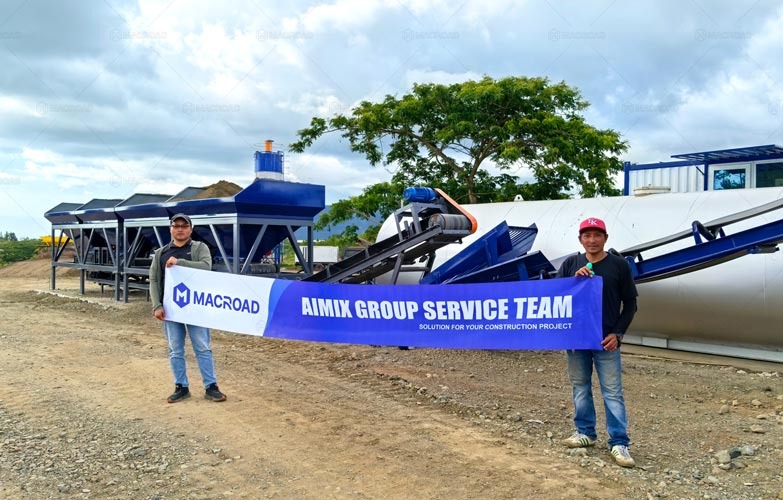
When selecting a drum mix asphalt plant, municipalities and contractors should evaluate capacity requirements, fuel flexibility, emissions compliance, and ease of operation. Systems with modular components and digital control platforms offer greater adaptability to evolving project needs and regulatory standards.
After-sales support, operator training, and spare parts availability are equally important, particularly for municipal agencies with limited technical resources. Choosing an asphalt plant for sale from a supplier with strong regional support infrastructure enhances long-term operational reliability.
Enabling Smarter, More Responsive Municipal Infrastructure
Municipal infrastructure development in Latin America demands equipment solutions that combine flexibility, efficiency, and reliability. By adopting a drum mix asphalt plant — especially in strategic deployments such as an asphalt plant in Ecuador — municipalities and contractors gain the ability to respond quickly to changing project needs while maintaining consistent asphalt quality and cost control.
Rather than structuring projects around fixed production facilities, drum mix asphalt plants allow production to adapt to project realities. This shift empowers municipalities to deliver better roads, faster maintenance, and more resilient urban infrastructure across Latin America’s diverse and growing cities.
Lorem ipsum dolor sit amet, consectetur adipiscing elit, sed do eiusmod tempor incididunt ut labore et dolore magna aliqua.
Lorem ipsum dolor sit amet, consectetur adipiscing elit, sed do eiusmod tempor incididunt ut labore et dolore magna aliqua.
Post a comment