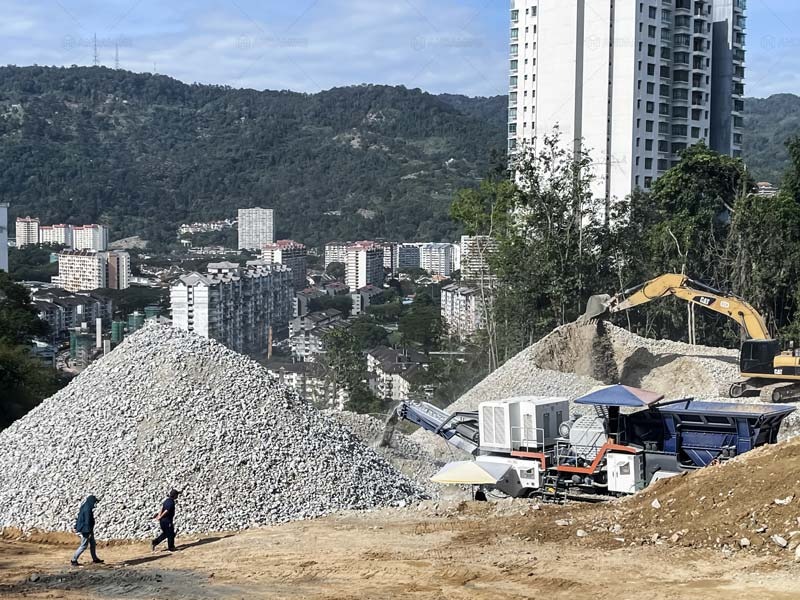
How Aggregate Plant Automation Helps Latin American Customers Cope with Labor Shortages
Across Latin America, the aggregate and construction materials industry is a cornerstone of economic development. However, producers from Mexico to Chile are facing a persistent and growing challenge: a significant shortage of skilled and reliable labor. This scarcity drives up operational costs, limits production capacity, increases safety risks, and hinders consistent product quality. In this demanding environment, simply focusing on the upfront stone crusher price Peru is no longer a viable long-term strategy. The solution increasingly lies in strategic technological investment. By embracing comprehensive automation within their operations, savvy producers are not just buying machinery—they are building resilient, efficient, and competitive systems. A modern, automated aggregate plant(planta áridos) transforms from a labor-intensive collection of machines into a coherent, data-driven production asset. This blog explores how automation specifically addresses the labor crisis, turning a critical constraint into an opportunity for growth and stability.
Understanding the Labor Challenge in Latin American Aggregates
The labor shortage is multifaceted. It involves difficulty in attracting skilled technicians and plant operators, high turnover rates, increasing wage pressures, and the physical demands of remote quarry work. Furthermore, inconsistent manual operation leads to variable product quality and inefficient use of resources like energy and wear parts. In this context, the traditional model of staffing every screen, crusher, and loader becomes unsustainable. Automation offers a direct counter to each of these pain points, providing control, consistency, and scalability that a human workforce alone cannot guarantee.
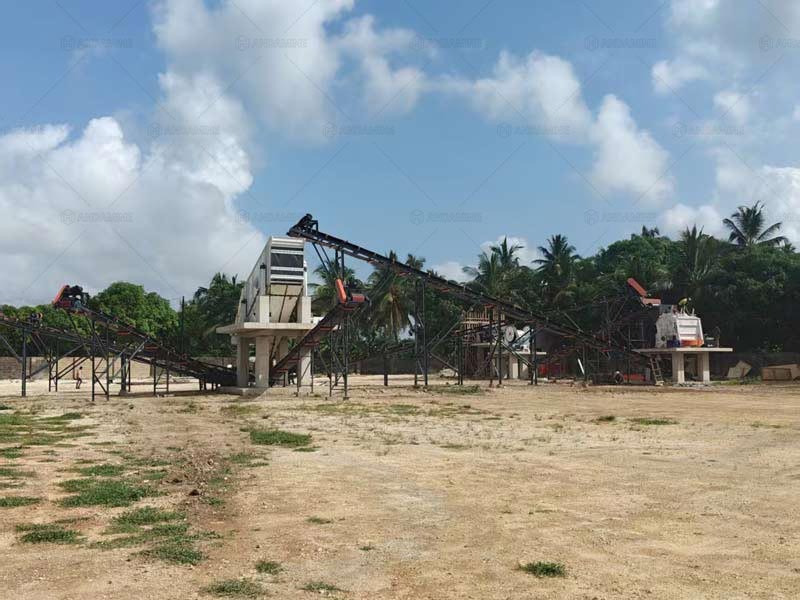
Key Automation Technologies and Their Impact on Labor Reliance
Automation in an aggregate plant is not a single tool but a layered system of technologies that work together to reduce direct human intervention while enhancing decision-making.
Centralized Control Rooms and Remote Monitoring
Instead of having operators stationed at each machine—exposed to noise, dust, and potential hazards—modern plants utilize a centralized, climate-controlled control room. From here, a single operator can oversee the entire crushing, screening, and conveying process via a SCADA (Supervisory Control and Data Acquisition) system. This interface provides a real-time overview of the entire aggregate plant, displaying feed rates, power draws, bin levels, and equipment status. For a manager in Peru, this means one skilled operator can effectively run a circuit that previously required three or four, dramatically mitigating the impact of the labor shortage. This efficiency gain fundamentally reshapes the value calculation beyond the initial stone crusher price Peru(chancadora de piedra precios Perú).
Automated Crushing and Process Control
Advanced automation extends deep into the processing logic itself. Systems can automatically adjust crusher settings (like CSS - Closed Side Setting) in real-time based on feed material hardness and desired product size. This ensures consistent output quality without constant manual tweaking. Automated setting regulation also protects the crusher from overloads and optimizes liner wear. When evaluating an aggregate plant, the cost of these automation packages should be weighed against the savings from reduced liner costs, lower energy consumption, and the elimination of product rejections due to out-of-spec material—all of which are exacerbated by manual, inconsistent operation.
Integrated Weighing, Level Sensing, and Material Tracking
Automation relies on data. Load cells on conveyors provide precise tonnage throughput. Level sensors in bins and silos prevent overflows or run-outs, automatically starting and stopping upstream processes. RFID tags on trucks can automate ticketing and load-out. This network of sensors creates a "digital twin" of the plant's material flow, removing guesswork and the need for manual inspections. It allows a smaller team to manage a much more complex operation with greater accuracy, ensuring the plant operates at its design capacity consistently.
Direct Benefits: Mitigating Labor Shortage Effects
The implementation of these technologies delivers tangible, direct benefits that specifically address the core issues of labor scarcity.
Enhanced Productivity with Fewer People
An automated aggregate plant achieves higher and more consistent throughput with a leaner crew. The system can operate steadily at optimal levels 24/7 if needed, unimpeded by shift changes, breaks, or fatigue. This directly translates to more tons produced per employee, boosting overall operational productivity and allowing companies to grow output without proportionally increasing their headcount—a critical advantage in a tight labor market.
Reduced Dependency on Specialized Skills
Automation encapsulates operational expertise within its software. While it requires technicians to maintain the system, it reduces dependency on a large pool of highly experienced crusher operators who can "listen and feel" the machine. The control system standardizes best practices, making the operation more resilient to turnover and easier to train for. New operators can become effective more quickly under the guidance of the automated system's protocols and alarms.
Improved Safety and Working Conditions
By removing personnel from high-risk areas near crushers, conveyors, and screens, automation significantly enhances workplace safety. The control room environment is safer and more attractive, aiding in employee retention. This is a powerful tool for attracting a new generation of workers who are more inclined toward technology-centric roles rather than purely manual labor.
Optimized Costs and Predictable Operations
Automation leads to substantial savings in consumables and energy. By running the plant at peak efficiency, it minimizes wasted power and optimizes wear part life (e.g., crusher liners, screen cloths). This predictability in operational cost is invaluable. When considering the total cost of ownership, a higher initial investment in an automated system—which may influence the stone crusher price Peru—is quickly offset by lower labor costs, reduced downtime, and superior material yield. The focus shifts from the hourly wage of an operator to the cost-per-ton of final product, a far more meaningful metric.
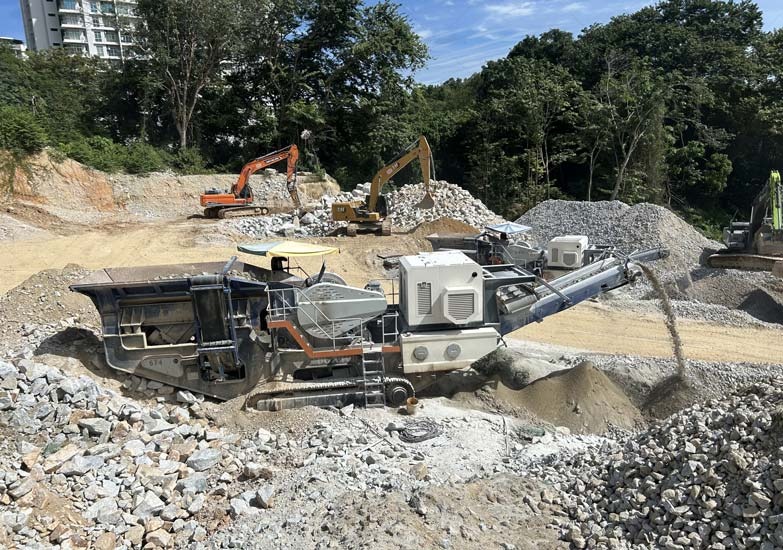
Strategic Considerations for Implementation
Adopting automation is a strategic journey. It requires upfront capital investment, a shift in operational mindset, and commitment to training. The key is to start with a clear assessment of the greatest pain points—whether it's consistent final product quality, crusher overloads, or load-out bottlenecks—and implement targeted automation solutions. Many modern aggregate plant designs are now "automation-ready," making integration smoother. For existing facilities, a phased approach, beginning with centralizing control and then adding advanced process logic, is often the most practical path.
Conclusion: Building a Resilient Future
For Latin American aggregate producers, labor shortages represent a structural challenge, not a cyclical one. Automation is no longer a luxury for the largest multinationals; it is a necessary strategy for survival and growth for any serious competitor. It transforms the operational model from one reliant on the constant availability of manual labor to one driven by intelligent systems and data. By investing in an automated aggregate plant, companies are not just purchasing equipment to crush rock; they are investing in a predictable, efficient, and safe production system. This strategic move ensures they can reliably meet market demand, control their destiny in the face of workforce uncertainties, and ultimately build a more resilient and profitable business. The long-term return on this investment consistently outweighs the short-term fixation on the stone crusher price Peru, paving the way for a stronger, more sustainable industry across the region.
Post a comment