How Drum Mix Asphalt Plants Adapt to Dispersed Road Construction Projects in Latin America?
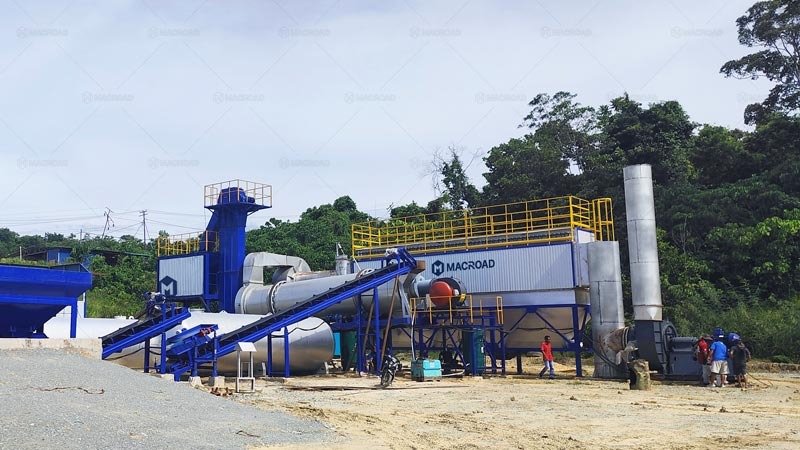
The geography of Latin America presents one of the most challenging environments for road construction anywhere in the world. From the sprawling Atacama Desert in Chile to the dense rainforests of the Amazon basin, infrastructure projects are often scattered across vast distances with limited access to centralized resources. For contractors tasked with building and maintaining roads in these dispersed locations, the choice of asphalt production equipment becomes a strategic decision that affects every aspect of project execution. The ability to adapt to remote job sites, variable material conditions, and limited support infrastructure is not just an advantage—it is a necessity. In this context, the drum mix asphalt plant(planta asfáltica continua) has emerged as the preferred solution for contractors who need reliable production capabilities in locations where traditional stationary plants would be impractical or economically unviable.
The Challenge of Dispersed Project Locations
Understanding how drum plants adapt to dispersed projects requires first appreciating the unique logistical challenges that define Latin American road construction.
Geographic and Infrastructure Barriers
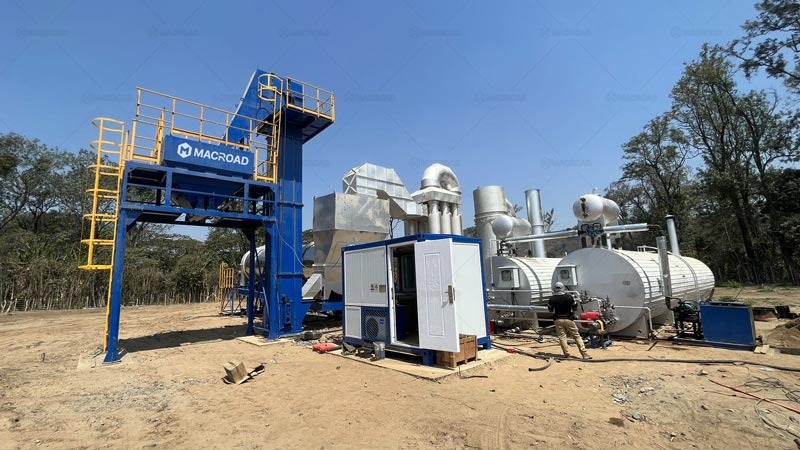
Across countries like Colombia, Peru, and Ecuador, road projects are often located in regions with limited transportation networks. Mountainous terrain, river crossings, and seasonal weather patterns can isolate job sites from supply routes. When a project is situated hours from the nearest city, every delivery of fuel, parts, or materials becomes a logistical exercise. In these conditions, equipment reliability and self-sufficiency become paramount. A drum mix asphalt plant designed for remote operation must be capable of running consistently with minimal external support, which is precisely what modern continuous mixing systems deliver.
Variable Project Scales and Durations
Dispersed projects also vary widely in size and duration. A contractor might move from a six-month highway rehabilitation in northern Argentina to a two-year rural road project in Paraguay, followed by a series of small municipal jobs in Chile. This variability demands equipment that can scale up or down efficiently. The flexibility inherent in drum plant design allows contractors to match production to project requirements without the efficiency penalties that affect other asphalt plant(planta pavimentos) types when operating below capacity.
Core Design Features That Enable Adaptability
The drum mix asphalt plant incorporates specific design elements that make it particularly well-suited for dispersed operations across Latin America.
Simplified Configuration for Remote Transport
One of the most important adaptations is the physical configuration of the equipment. A typical drum plant breaks down into a relatively small number of major components, each designed for transport on standard trucks. This means that moving the plant from a completed project in the Peruvian highlands to a new site in the coastal desert requires minimal special transport arrangements. For contractors operating an asphalt plant in Peru, where the terrain transitions dramatically from the Andes to the coast within a few hundred kilometers, this transport simplicity is essential for maintaining profitability across multiple projects.
Self-Erecting Capabilities
Many modern drum plants include hydraulic systems that allow for self-erection without the need for large cranes. On a remote job site where crane services may be days away or prohibitively expensive, this self-sufficiency can mean the difference between a one-week setup and a month-long delay. The ability to arrive at a new location and have the plant operational quickly keeps crews productive and projects on schedule.
Adapting to Local Material Conditions
Dispersed projects rarely have access to consistent, high-quality aggregates from centralized sources. Contractors must use what is available locally.
Handling Variable Aggregate Quality
The continuous mixing process in a drum plant is inherently more tolerant of variations in aggregate gradation and quality than batch systems. When a project in the Bolivian altiplano must use material from a nearby riverbed that changes composition with seasonal flows, the drum plant adjusts without requiring extensive recalibration. This tolerance extends to moisture content as well. In tropical regions where aggregates arrive at the plant with high surface moisture, the extended drying zone within the drum ensures thorough drying before bitumen injection.
Reducing Reliance on Imported Materials
By enabling the use of local aggregates, the drum mix asphalt plant reduces the need to transport materials over long distances. For an asphalt plant in Peru operating in the Andean region, the ability to process mountain aggregates on-site eliminates the cost and risk of hauling materials from coastal quarries. This localization of the supply chain improves project economics and reduces exposure to fuel price volatility and trucking disruptions.
Lorem ipsum dolor sit amet, consectetur adipiscing elit, sed do eiusmod tempor incididunt ut labore et dolore magna aliqua.
Operational Simplicity for Remote Workforces
The availability of skilled operators varies significantly across Latin America. Remote projects often rely on local workers who may have limited experience with complex industrial equipment.
Intuitive Control Systems
Modern drum plants feature control systems designed for intuitive operation. Touchscreen interfaces with clear graphics guide operators through startup, production, and shutdown sequences. Alarms and diagnostic information are presented in straightforward terms that local operators can understand and act upon. This design philosophy means that a crew with basic mechanical aptitude can be producing quality mix within days, even if they have never operated an asphalt plant before.
Reduced Training Requirements
Because the continuous process is simpler than batch production, training requirements are correspondingly lower. Operators need to understand material flow rates, temperature control, and basic maintenance procedures rather than the complex sequencing of batch cycles. For contractors who move between countries with different languages and skill bases, this simplicity reduces the overhead associated with bringing new crews up to speed on each project.
Maintenance Considerations in Remote Locations
When the nearest service technician is a day's travel away, the plant must be designed for self-maintenance.
Accessible Wear Components
Drum plants are engineered with maintenance access in mind. Wear parts such as mixer liners, burner components, and flighting are designed for replacement by on-site personnel using basic tools. Clear maintenance schedules and accessible inspection points allow local mechanics to identify issues before they cause failures. This proactive approach to maintenance keeps the plant running when external support is not immediately available.
Commonality of Parts
Many drum plant designs use standardized components across different models and sizes. This commonality means that a contractor operating multiple projects can stock a single inventory of spare parts that serves all locations. For a company managing several asphalt plant in Peru(planta de asfalto en Perú) installations simultaneously, this reduces the capital tied up in spare parts while ensuring that each site has access to critical components when needed.
Fuel Efficiency in Remote Operations
Fuel logistics are a major consideration for dispersed projects. The cost of delivering diesel to remote locations can double or triple the effective fuel price.
Optimized Combustion Systems
Modern drum plants incorporate burner technology that maximizes fuel efficiency. Precise control of air-fuel ratios and combustion temperatures ensures that every liter of fuel delivers maximum heat transfer to the aggregate. This efficiency directly reduces the volume of fuel that must be transported to the site, lowering both direct costs and logistics complexity.
Ability to Use Alternative Fuels
Some drum plant configurations can accommodate alternative fuels such as used oil, natural gas, or even biomass where available. In regions where conventional diesel supply chains are unreliable, this fuel flexibility allows production to continue using whatever energy sources are locally accessible.
Meeting Diverse Project Requirements
Dispersed projects often involve different types of asphalt mixes depending on local road conditions and traffic patterns.
Mix Design Flexibility
While drum plants are continuous processes, they offer considerable flexibility in mix design. Adjustments to aggregate gradation, bitumen content, and additive ratios can be made during production without stopping the plant. This capability allows contractors to produce different mix types for base courses, binder layers, and wearing surfaces as the project progresses, all from the same equipment.
Production Rate Adjustability
The ability to run efficiently at reduced output is particularly valuable for smaller dispersed projects. A drum mix asphalt plant can operate at 50 percent capacity without the efficiency penalties that affect batch plants when production slows. This turn-down capability means contractors can match production exactly to paving rates, avoiding the waste associated with overproduction or the delays caused by underproduction.
Lorem ipsum dolor sit amet, consectetur adipiscing elit, sed do eiusmod tempor incididunt ut labore et dolore magna aliqua.
Regional Success Stories
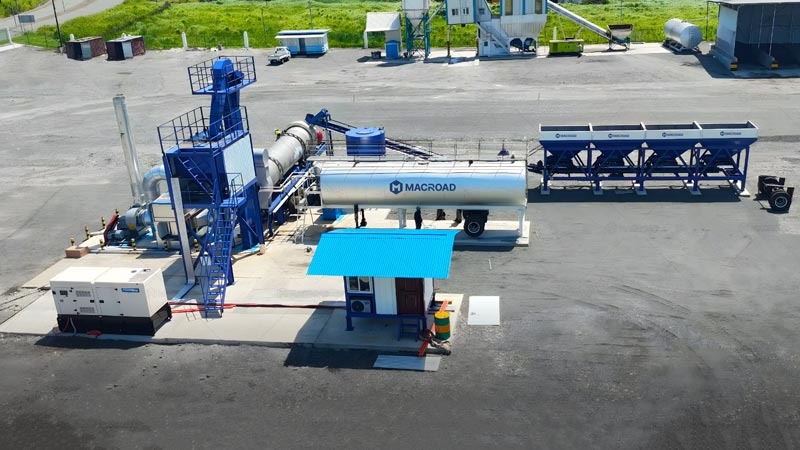
Across Latin America, contractors have demonstrated how drum plants enable successful dispersed operations.
Andean Highway Projects
In the high-altitude regions of Peru and Bolivia, where oxygen levels affect combustion efficiency and temperature differentials challenge material handling, drum plants have proven their reliability. Contractors report that the simplified design and robust construction of modern drum plants withstand the rigors of mountain operations better than more complex alternatives.
Amazon Basin Access Roads
In the Peruvian and Brazilian Amazon, where river transport is often the only option for moving equipment, the compact transport dimensions of drum plants have enabled projects that would otherwise be impossible. Plants have been disassembled, moved by barge, and reassembled on riverbanks to produce asphalt for pioneer roads opening new regions to development.
Coastal Highway Rehabilitation
Along the Pacific coast from Chile to Ecuador, where fog and humidity create persistent moisture challenges, drum plants have maintained production while batch plants struggled with wet screens and inconsistent drying. The integrated drying and mixing process eliminates the moisture-related bottlenecks that plague other configurations.
Strategic Value for Regional Contractors
For construction companies operating across Latin America's diverse landscapes, the drum mix asphalt plant represents more than just production equipment—it is a strategic asset that enables business models impossible with stationary alternatives. The ability to pursue dispersed projects, respond to opportunities in multiple countries, and maintain production in remote locations creates competitive advantages that translate directly to growth and profitability. Contractors who understand how to leverage the adaptability of drum technology position themselves to win work that competitors cannot efficiently execute. In a region defined by geographic diversity and infrastructure needs, that adaptability is the key to sustained success.
Lorem ipsum dolor sit amet, consectetur adipiscing elit, sed do eiusmod tempor incididunt ut labore et dolore magna aliqua.
Post a comment