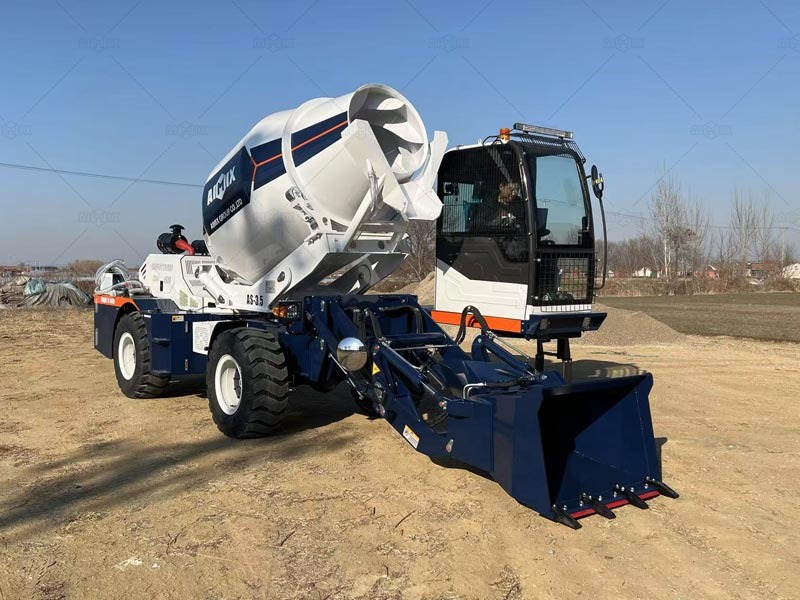
How Small Engineering Contractors Can Choose the Most Cost-Effective Self-Loading Concrete Mixers
Small engineering contractors often face tight budgets, compressed project timelines, and the need to handle multiple sites simultaneously. In such circumstances, investing in a self loading concrete mixer can dramatically improve on-site efficiency by combining loading, mixing, and transportation in a single machine. However, selecting the most cost-effective unit requires balancing price, functionality, and long-term operational costs. Whether evaluating a self loading concrete mixer for sale(venta de autohormigoneras) in Bolivia or analyzing self loading concrete mixer price Chile options, contractors must make informed decisions to maximize return on investment.
Understanding the Benefits of Self-Loading Trucks for Small Contractors
Self-loading trucks bring autonomy to construction projects by eliminating dependency on external concrete suppliers and reducing labor requirements. For small contractors managing rural road repair, residential foundations, or small industrial sites, these machines provide significant operational flexibility.
Enhanced Mobility and On-Site Production
Unlike traditional batching setups, a self loading concrete mixer can produce concrete directly at the construction site. This is particularly useful for remote or geographically dispersed projects, where transporting ready-mix concrete can be slow and costly. In countries like Bolivia, where mountainous terrain and scattered worksites are common, a self loading concrete mixer Bolivia unit can reduce transport time and material loss.
Streamlined Operations
A single self-loading truck combines multiple functions. Operators can load aggregates, measure cement and water, mix the concrete, and discharge it with minimal labor intervention. This not only reduces workforce costs but also improves batch consistency, which is essential for structural quality and compliance with project standards.
Evaluating Price and Features
Cost is a major factor for small engineering contractors, but it should be considered alongside machine features and long-term value.
Comparing Self Loading Concrete Mixer Price Chile
In Chile, market prices vary according to engine power, drum capacity, automation features, and brand reliability. While lower-cost models may appear attractive initially, they might lack precision in weighing, water dosing, or durability required for repeated use on tough sites. Evaluating self loading concrete mixer price Chile in the context of projected operational needs helps contractors avoid hidden costs related to maintenance, fuel, and downtime.
Assessing Total Cost of Ownership
Beyond the purchase price, contractors should consider operating costs such as fuel efficiency, maintenance requirements, and spare parts availability. Machines with precise electronic weighing and water control systems reduce material wastage and improve concrete quality, which in turn lowers indirect costs and enhances profitability across multiple projects.
Matching Machine Specifications to Project Needs
Selecting the right self-loading truck involves understanding the specific demands of the projects a contractor handles.
Drum Capacity and Engine Power
The mixer’s drum capacity should align with the average concrete volume required per day. Oversized units may remain underutilized, while undersized units increase cycle times and operational stress. Engine power must support site mobility, particularly in uneven or challenging terrain, which is common in Bolivia’s highland construction areas.
Automation and Control Features
Advanced self-loading trucks offer automated batching, digital control panels, and adjustable discharge options. These features reduce human error, maintain consistent concrete quality, and simplify operator training. Contractors evaluating a self loading concrete mixer for sale in Bolivia(auto hormigonera Bolivia) or other Latin American markets should weigh the value of automation against initial investment cost.
Lorem ipsum dolor sit amet, consectetur adipiscing elit, sed do eiusmod tempor incididunt ut labore et dolore magna aliqua.
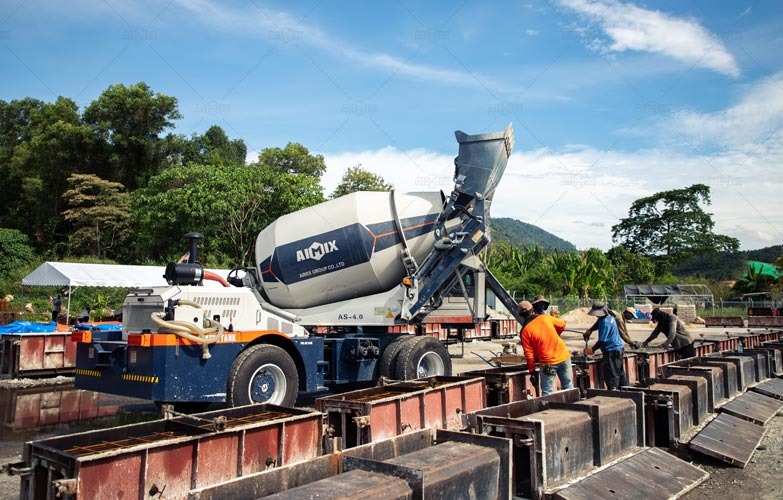
Operational Considerations for Small Contractors
Maintenance and Service Support
Reliable local service and accessible spare parts are essential for keeping machines operational. Contractors should check whether suppliers provide regional support, as delays in maintenance can disrupt project schedules and increase total cost of ownership.
Versatility Across Projects
Small contractors often work on a variety of projects, from residential buildings to municipal infrastructure. A self-loading truck that can adapt to multiple tasks, terrains, and concrete types provides higher utilization and greater return on investment, justifying slightly higher initial costs.
Fuel Efficiency and Environmental Factors
Energy consumption is another practical consideration. Models with optimized fuel efficiency reduce operating costs, while compliance with local emission regulations ensures legality and environmental responsibility, particularly in urban work zones.
Case Example: Practical Application in Bolivia
In Bolivia, small contractors handling rural road rehabilitation or hillside housing projects benefit from self-loading trucks with high maneuverability and autonomous batching. A well-selected self loading concrete mixer Bolivia unit minimizes reliance on third-party suppliers, ensures consistent concrete quality, and reduces project delays. By evaluating available machines against both operational and financial criteria, contractors can select models that deliver the best value for their specific needs.
Strategic Buying Tips
When considering a self loading concrete mixer for sale, small engineering contractors should follow a structured approach:
-
Define project requirements clearly, including daily concrete volume and terrain type.
-
Compare pricing, including self loading concrete mixer price Chile(autohormigonera Chile precio), to ensure realistic budgeting.
-
Evaluate automation, weighing systems, and drum capacity relative to operational needs.
-
Confirm local service and spare parts availability to avoid downtime.
-
Consider total cost of ownership, factoring in fuel efficiency, maintenance, and resale potential.
Adopting this approach ensures that the investment contributes to both short-term project efficiency and long-term business sustainability.
Maximizing ROI Through Informed Selection
A thoughtfully selected self-loading concrete mixer enables small engineering contractors to enhance productivity, maintain consistent concrete quality, and reduce operational complexity. Balancing price, features, and local support allows contractors to achieve high utilization and maximize return on investment. In markets such as Bolivia and Chile, where geographic and logistical challenges are common, choosing the right machine can significantly improve project outcomes, reduce delays, and strengthen competitive positioning in the construction sector.
Post a comment