The Industrial Logic of Peru's Sand and Gravel Shortage and Manufactured Sand Substitution
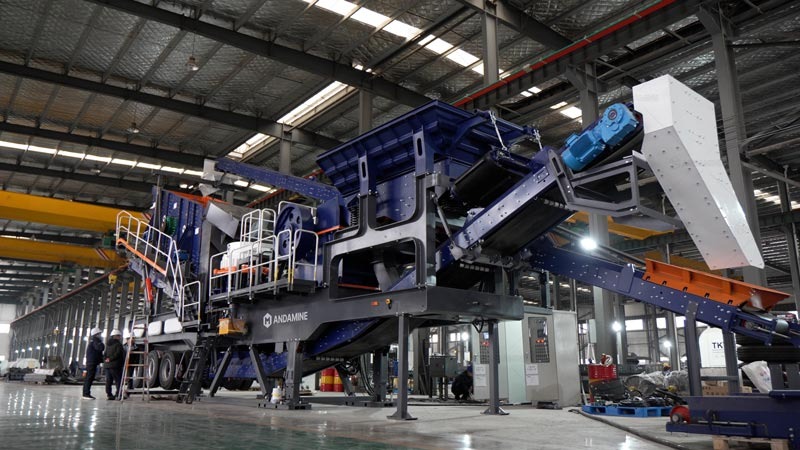
Peru has experienced rapid growth in infrastructure construction, mining development, and urban expansion over the past decade. These activities have significantly increased the demand for sand and gravel used in concrete, asphalt, and road base materials. However, natural sand resources—especially river sand—are becoming increasingly scarce due to environmental restrictions and limited extraction capacity. This shortage has pushed the industry to seek alternative solutions, particularly manufactured sand produced through crushing technology. As a result, equipment such as stone crushers in Peru(chancadoras de piedra en Perú) and modern aggregate processing systems are playing a growing role in meeting construction demand. Technologies including mobile stone crusher plant systems and equipment like cone crusher units are helping producers establish efficient manufactured sand production lines.
Causes Of Sand And Gravel Shortage In Peru
The shortage of sand and gravel in Peru is not caused by a single factor. Instead, it results from the interaction of environmental policies, infrastructure growth, and supply chain limitations.
Environmental Restrictions On Natural Sand Mining
Many river basins in Peru have experienced ecological damage caused by uncontrolled sand extraction. Excessive mining can lead to riverbank erosion, habitat destruction, and increased flood risks. To address these concerns, government authorities have implemented stricter regulations on river sand mining.
These policies include:
-
Limiting extraction volumes
-
Restricting mining locations
-
Requiring environmental impact assessments
While these regulations help protect ecosystems, they also reduce the supply of natural sand available for construction projects. As a result, the market increasingly relies on manufactured sand produced by stone crushers in Peru.
Rapid Growth Of Infrastructure And Urban Construction
At the same time, Peru’s demand for aggregates continues to grow. Large-scale infrastructure projects such as highways, bridges, ports, and housing developments require massive quantities of sand and gravel.
Urban expansion in cities like Lima and Arequipa has intensified the demand for concrete and construction aggregates. When local natural resources cannot meet this demand, the supply gap becomes more evident.
This situation has encouraged aggregate producers to invest in crushing equipment and establish new manufactured sand production facilities.
Manufactured Sand As A Practical Alternative
Manufactured sand refers to fine aggregates produced by crushing rocks, quarry stones, or mining waste. When produced properly, it can replace natural sand in many construction applications.
For companies investing in stone crushers in Peru, manufactured sand production provides several advantages.
First, production can be controlled according to market demand. Operators can adjust output by modifying the configuration of their crushing equipment.
Second, manufactured sand produced by modern crushing plants offers more consistent particle grading compared with natural sand, which often varies depending on extraction conditions.
Third, producing sand near construction sites reduces transportation costs and improves supply stability.
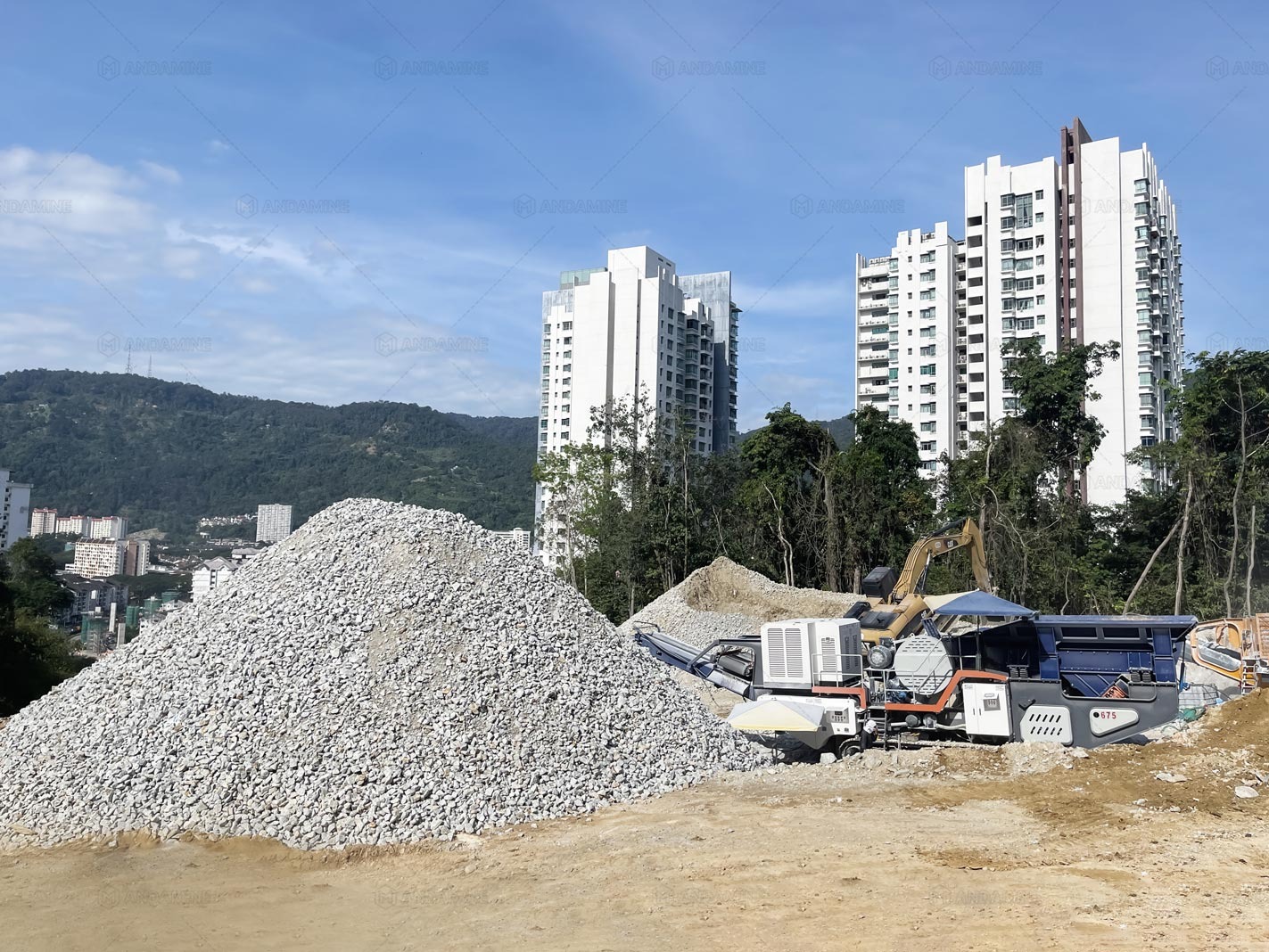
These advantages explain why many producers are adopting mobile stone crusher plant(planta de trituración móvil) systems that can be deployed directly near quarries or construction sites.
Key Equipment Used In Manufactured Sand Production
Producing high-quality manufactured sand requires a well-designed crushing process that combines multiple pieces of equipment.
Primary Crushing Stage
The first step in the process is primary crushing. Large rocks extracted from quarries must be reduced to smaller sizes before further processing.
Primary crushers often include:
-
Jaw crushers
-
Large impact crushers
These machines prepare the raw material for secondary crushing stages within the production line.
Secondary Crushing With Cone Crushers
After primary crushing, materials typically pass through a secondary crushing stage where further size reduction occurs. A cone crusher is commonly used in this stage because it provides efficient crushing of medium and hard rocks.
A cone crusher offers several advantages:
-
High crushing efficiency
-
Stable production capacity
-
Lower wear rates when processing hard materials
In many stone crushers in Peru installations, cone crushers play a key role in preparing materials before sand shaping and fine crushing processes.
Mobile Crushing Systems
In remote mining areas and infrastructure projects, fixed crushing plants may not always be practical. This is where mobile stone crusher plant systems become valuable.
Mobile crushing systems integrate feeding, crushing, screening, and conveying equipment onto mobile chassis. This allows the plant to be relocated as project requirements change.
Advantages of mobile crushing systems include:
-
Reduced transportation costs for raw materials
-
Faster installation and commissioning
-
Flexible deployment in remote construction sites
For many aggregate producers, the combination of a mobile stone crusher plant with efficient crushers such as cone crusher units provides a practical solution for manufactured sand production.
Lorem ipsum dolor sit amet, consectetur adipiscing elit, sed do eiusmod tempor incididunt ut labore et dolore magna aliqua.
Economic Benefits Of Manufactured Sand Production
Beyond solving resource shortages, manufactured sand production also offers significant economic benefits for aggregate producers.
Improved Resource Utilization
Many quarries produce large quantities of fine rock fragments during normal operations. By processing these materials through crushing systems, producers can convert them into valuable manufactured sand.
This approach reduces waste while increasing overall resource efficiency.
Stable Supply For Construction Projects
Natural sand supply can fluctuate due to environmental regulations or seasonal conditions. Manufactured sand production provides a more reliable alternative because output can be adjusted according to market demand.
Modern stone crushers in Peru enable producers to maintain consistent production levels, ensuring stable supply for construction companies.
Reduced Logistics Costs
Transporting natural sand from distant sources can significantly increase construction costs. Establishing local crushing plants, particularly mobile stone crusher plant systems, allows aggregates to be produced closer to the project site.
This reduces transportation expenses and shortens material delivery times.
A Strategic Path Toward Sustainable Aggregate Supply
Peru’s sand and gravel shortage reflects a broader challenge faced by many developing construction markets: balancing environmental protection with growing infrastructure demand. Manufactured sand production provides a practical solution that supports both economic development and resource conservation.
By adopting modern crushing technologies, including efficient cone crusher(molino de cono) equipment and flexible mobile stone crusher plant systems, aggregate producers can build reliable supply chains for the construction industry. As more companies invest in stone crushers in Peru, manufactured sand is likely to play an increasingly important role in meeting the country’s long-term infrastructure and urban development needs.
Lorem ipsum dolor sit amet, consectetur adipiscing elit, sed do eiusmod tempor incididunt ut labore et dolore magna aliqua.
Post a comment